Getting Field Devices into Azure IoT Hub and AWS IoT Core
Why Native Integration Matters
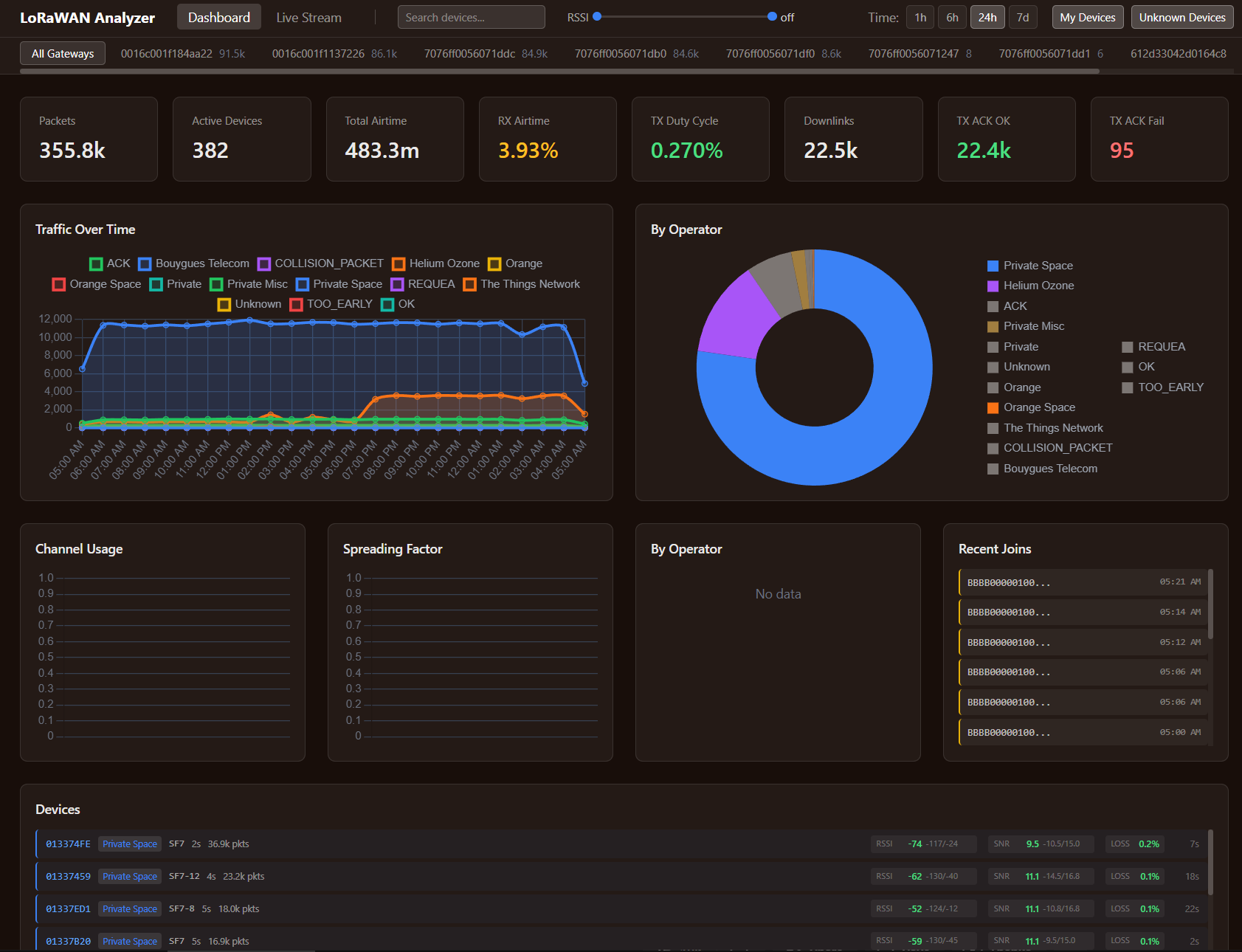
Most IoT projects stall at the same point: the sensor data reaches the device platform, whether that is an LPWAN network server, a cellular IoT service or an MQTT broker on an edge box, and then someone has to figure out how to get it into the cloud platform. Teams build custom middleware, write glue code, maintain message brokers, and debug connectivity issues for months before a single dashboard goes live.
Native integration skips all of that. Device data flows directly into Azure IoT Hub or AWS IoT Core using the platform's own protocols and device management primitives. No intermediate message brokers. No custom middleware to maintain. No extra infrastructure to monitor.
The development time savings are substantial. What typically takes a team 3-6 months of middleware development compresses into weeks. Your cloud engineers work with familiar tools like device twins, message routing, and serverless functions instead of learning radio packet formats and device-platform APIs.
Your cloud team already knows Azure or AWS. They shouldn't have to become embedded radio protocol experts just to receive sensor data. Native integration means they work with the tools and patterns they already understand.
Azure IoT Hub Integration
Device Provisioning and Twin Synchronization
Each field device registers as a device identity in Azure IoT Hub. Device twins hold the current state (battery level, signal quality, last seen timestamp, firmware version) alongside desired configuration. Change a reporting interval in the device twin, and the device platform pushes the update to the physical device the next time it is reachable.
The Device Provisioning Service handles fleet onboarding. New devices added to the device platform automatically provision in IoT Hub with the correct enrollment group, initial twin properties, and routing assignment. No manual Azure portal work per device.
Message Routing
IoT Hub message routing directs sensor data to the right destination based on message properties. Temperature readings route to a Time Series Insights instance. Alert conditions route to a Service Bus queue that triggers immediate notification. Raw packets route to Blob Storage for compliance archival.
Routing rules use the device twin metadata (device type, location, customer ID) that the integration populates automatically. A single IoT Hub instance handles thousands of heterogeneous sensors with each device type's data flowing to its correct processing pipeline.
Serverless Processing
Azure Functions triggered by IoT Hub events process incoming sensor data without managing any compute infrastructure. A function decodes the device payload, applies calibration offsets, checks threshold conditions, and writes to Cosmos DB or Azure SQL, all triggered automatically on each uplink.
Event Grid distributes events across multiple consumers. A single uplink from a water meter can simultaneously update a dashboard, check for leak conditions, feed a billing system, and log to long-term storage. Each consumer is independent, deployed separately, scaled independently.
AWS IoT Core Integration
Thing Registry and Shadow Synchronization
Field devices map to AWS IoT Things with shadows that reflect device state. The shadow document maintains reported state from the device and desired state from the application layer. Shadow deltas drive configuration changes back to physical devices through the device platform.
Fleet provisioning templates automate Thing creation. When a new device joins the network, a provisioning hook creates the Thing, attaches the appropriate policy, updates the Thing Group membership, and initializes the shadow, all without manual console interaction.
Rules Engine
The IoT Core Rules Engine routes and transforms messages using SQL-like syntax. Filter messages by device type, extract specific fields, apply transformations, and direct results to any AWS service. A single rule can split a multi-sensor payload into separate DynamoDB writes for temperature, humidity, and battery level.
Rules connect directly to Lambda, DynamoDB, S3, SQS, SNS, Kinesis, Timestream, and IoT Analytics without any intermediate infrastructure. The data path from sensor to storage or processing is two hops: device platform to IoT Core, IoT Core to destination.
Device Management at Scale
Thing Groups organize devices by location, type, customer, or deployment phase. Jobs push firmware updates, configuration changes, or diagnostic commands to groups of devices through the device platform. Fleet indexing queries across thousands of devices to find all sensors with battery below 20%, all devices that haven't reported in 24 hours, and all units running firmware older than version 2.3.
IoT Device Defender monitors device behavior patterns. A sensor that suddenly starts transmitting ten times more frequently than normal triggers an alert. A device reporting impossible values flags for investigation. Security and anomaly detection come from the platform, not from custom code.
What I Build for You
ChirpStack to Cloud Bridge
The integration layer connects your device platform, an LPWAN network server, a cellular IoT service or an edge broker, directly to your cloud platform's IoT service. MQTT bridging handles the protocol translation between that event stream and the cloud platform's device protocol. TLS mutual authentication secures every connection.
The bridge handles more than just uplink forwarding. Downlink commands from the cloud platform translate into whatever the device layer speaks, a queued application message on a sleepy battery device or an immediate publish on a mains-powered one. Join events create device identities. Device status changes synchronize to device twins or shadows. The integration is bidirectional and complete.
Payload Codec Pipeline
Raw payloads from battery devices are compact binary, designed to minimize airtime and energy rather than for human readability. The codec pipeline decodes these into structured JSON that your cloud services expect. Each device type gets its own codec, unit conversions included. A Dragino LHT65 transmits 11 bytes; your cloud receives {"temperature": 22.4, "humidity": 65.3, "battery": 3.05}.
Codecs deploy as serverless functions (Azure Functions or Lambda) that scale automatically and cost fractions of a cent per invocation. No servers to manage. No capacity planning. The same codec handles 10 devices or 10,000.
Dashboard and Alert Integration
Once data reaches your cloud platform, it connects to whatever visualization and alerting tools your organization already uses. Power BI for Azure deployments. QuickSight or Grafana for AWS. The data is in your cloud, in your format, accessible through your existing tools and permissions.
Alert pipelines use native cloud services. Azure Logic Apps or AWS Step Functions orchestrate multi-step alert workflows: check threshold, verify duration, look up on-call schedule, and send notification through the appropriate channel. No third-party alerting platform required.
Practical Advantages
Your Cloud Team Stays Productive
The biggest cost in IoT projects isn't hardware. It's engineering time. Cloud engineers who already know Azure or AWS remain productive because the device data arrives through familiar interfaces. They write the same Functions or Lambda code they'd write for any other data source. The learning curve is the sensor data model, not a new infrastructure stack.
Infrastructure You Already Manage
No additional servers, message brokers, or databases to operate. The device data flows into infrastructure your operations team already monitors, backs up, and secures. Compliance and governance policies that apply to your existing cloud resources automatically cover your IoT data.
Scale Without Rearchitecting
Cloud IoT services handle millions of messages per second. Your deployment grows from a proof of concept with 20 sensors to a production fleet of 10,000 devices without changing the architecture. The cloud platform scales the message ingestion, processing, and storage automatically. You scale the field network by adding gateways or SIMs, and the cloud side just handles more messages.
What I Provide
I build the bridge between the field and your cloud: native integration between your device platform and Azure IoT Hub or AWS IoT Core, automated device provisioning with twin and shadow synchronization, payload codecs for your sensor fleet, and message routing into serverless processing pipelines, plus the dashboard and alerting hookups into tools you already use. Teams building the integration themselves can bring me in for an architecture review instead. Everything arrives as code you own, codecs, CloudFormation or Terraform templates, and deployment documentation, with no dependencies left on me afterwards.
I don't replace your cloud team. I give them a head start. The device-to-cloud integration is the specialized part. Once data is in your IoT Hub or IoT Core, your team builds on it with tools they already know.
Working on something like this?
If this article touches on what you are building, tell me about it. The first conversation is free, and you will get an honest read on the right approach for your situation.
Book a free consultationCurious what the finished thing looks like? Open the live demo dashboard